

DIY Habitat Garden Guides
Native & Pollinator Planting Plans
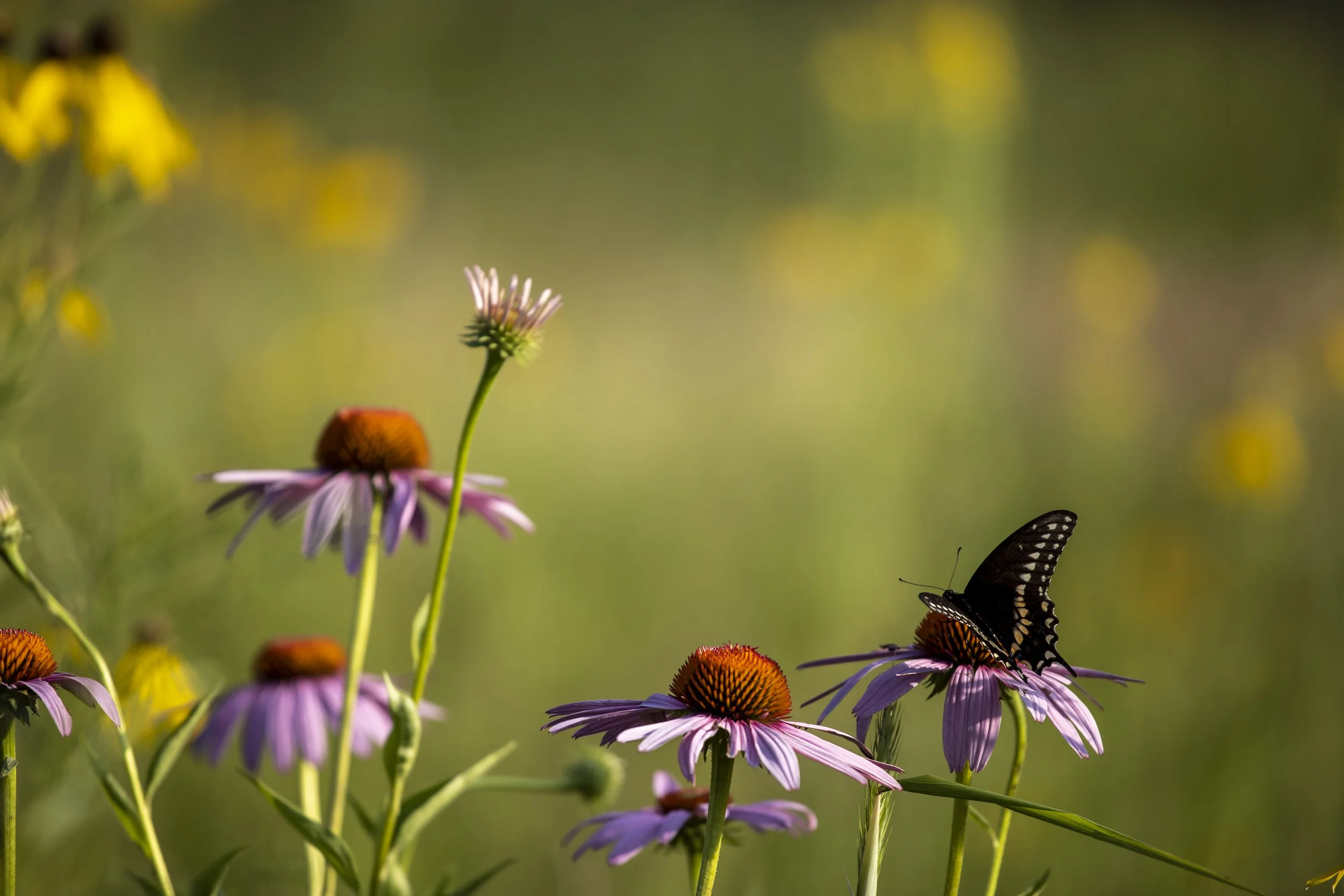
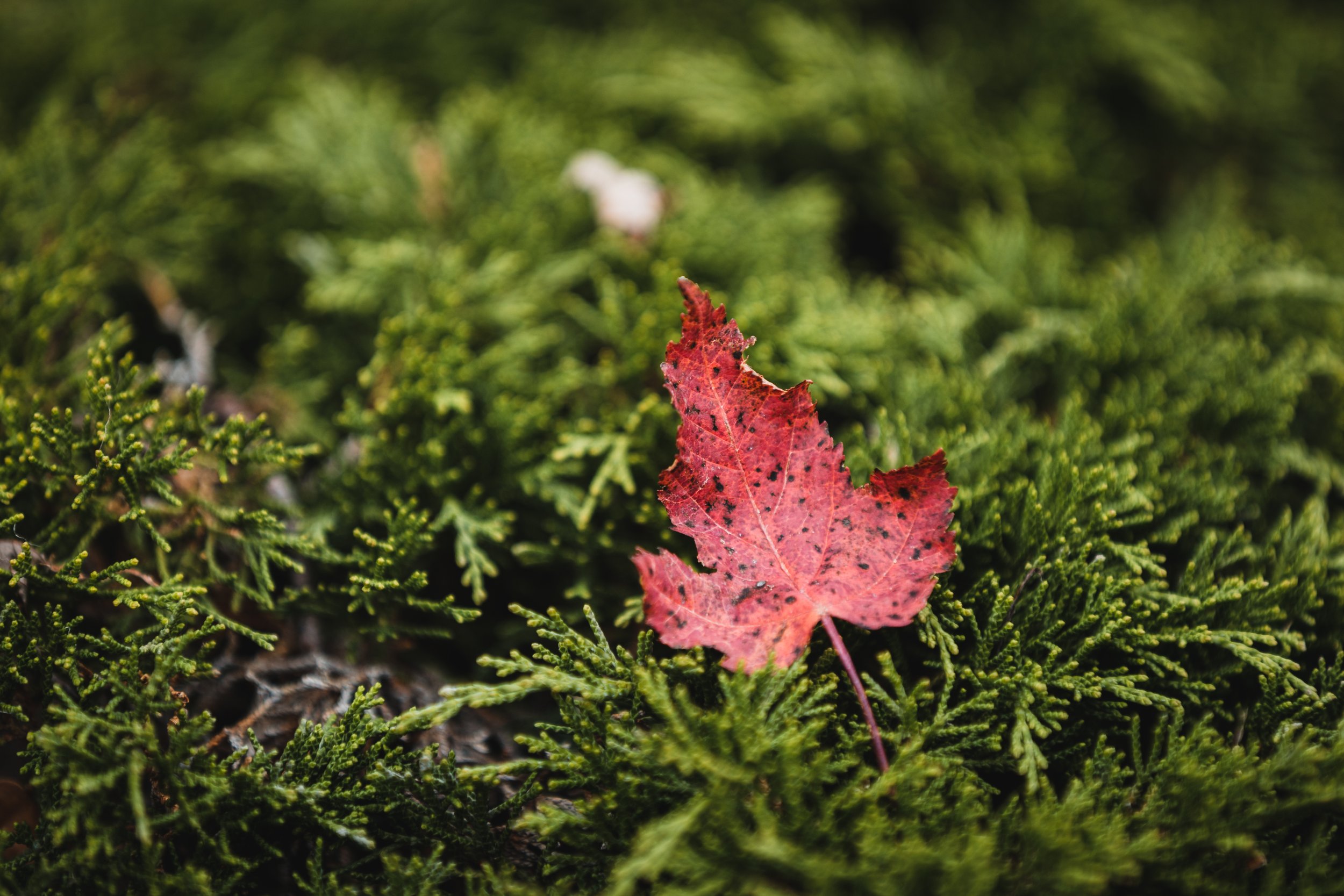
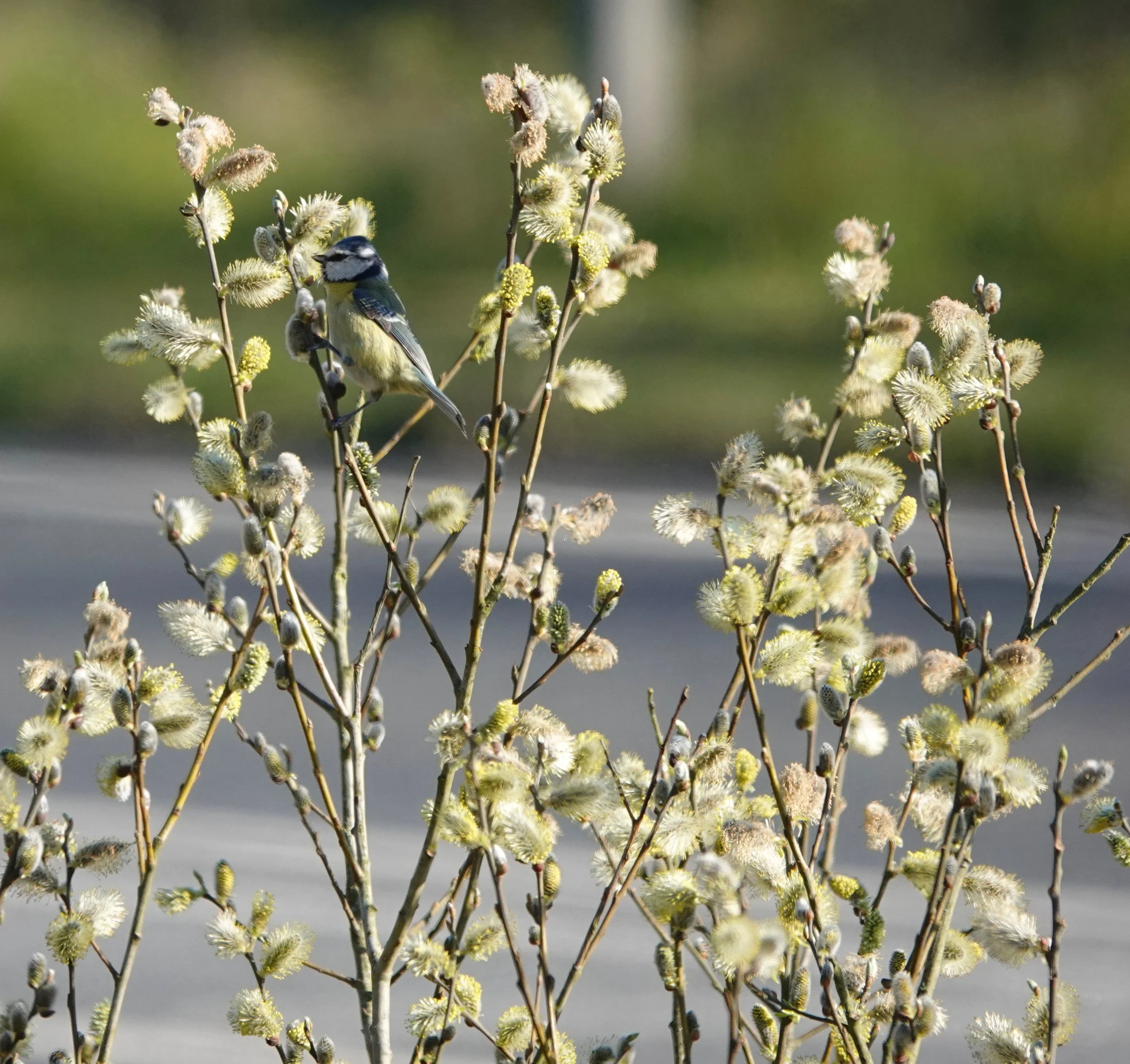
DIY habitat garden, also known as a native or pollinator garden.
The benefits of habitat gardens are numerous. They provide food and shelter for keystone species, helping to support healthy ecosystems. In simple terms, much of the food we eat depends on insects that pollinate plants—and those insects rely on native and pollinator plants to survive. Beyond their ecological function, these gardens are also beautiful and can create a sense of calm and connection to nature.
Even if your available space is limited to a balcony or a small garden, you can still plant native and pollinator species that contribute meaningfully to ecosystem health and, in turn, support your own well-being.
These habitat garden guides explain which plants to choose, how many to use, how to combine them effectively, and everything else you need to turn your design into a successful, thriving garden.
Why Many Native & Pollinator Gardens Fail · How These Guides Help
There is now an abundance of information available online about native and pollinator plants, as growing mainstream interest has encouraged ecologists, botanists, and gardeners to generously share their knowledge.
However, reliable guidance on how to combine and arrange these plants remains limited. While it is easy to find lists of recommended species, understanding how to assemble them into a cohesive, intentional design is still largely the domain of design professionals. A common concern I hear from people who attempt to create native or pollinator gardens without expert guidance is that the results often look weedy, unkempt, sparse, or unintentional. Others find that their gardens are quickly overtaken by invasive or unwanted plants. In short, the projects fail—and people are understandably disappointed. This experience often leads them to abandon their good intentions and return to conventional horticultural practices that rely on non-native cultivated plants.

In my article ( How to Make Native Plant Gardens Look Aesthetic and Intentional) on this topic, I explore these challenges in greater depth. The good news is that there are simple design strategies that can ensure native and pollinator gardens look intentional, resilient, and aesthetically pleasing. Through hands-on experience, I have learned which plants work best together in different conditions, how many plants are needed for success, and how to assemble them effectively.
To make this knowledge accessible, I have created easy-to-use 2 m × 2 m design modules with detailed instructions. These modular plans can be adapted to almost any site, making it possible for anyone to create a successful habitat garden.
A Practical, Ecologically Informed Approach to Habitat Garden Design
The guides provide everything you need to implement your own habitat garden and are well suited for beginners.
They also contain in-depth information on native plant selection grounded in real ecological knowledge and hands-on experience, making them valuable resources for experienced gardeners who wish to incorporate native and pollinator plants into their landscapes. The habitat garden guides are organized by light conditions—full sun, part sun, and shade. Each guide is delivered as a downloadable PDF and includes a 2 m × 2 m planting plan shown in a bird’s-eye view layout. The plan uses coloured symbols for each plant, with a corresponding legend listing both Latin and common names. Each guide also includes photographs and descriptions of every plant featured.
The 2 m × 2 m planting module can be repeated to suit the dimensions of your site. Exact measurements or rectilinear garden beds are not required—planting design is flexible and forgiving. Plants are laid out on the ground prior to digging and can be shifted easily to accommodate the unique shape of your space.
Each plan features native, pollinator-friendly plants suitable for hardiness zones 5a–7b (covering most of southern Ontario, Canada, as well as many regions of the Midwest and Northeastern United States). The plants are arranged in proven combinations that attract birds and butterflies while creating a visually compelling display. Many of the species are “companion plants” that naturally grow together in the wild, resulting in a design style that is a creative interpretation of natural ecosystems. Additional information on the design intent for each planting plan can be found in the sections below.
While soil type and moisture levels are also important factors in plant selection, the guides are intentionally simplified for accessibility. If your site has very wet conditions, highly acidic soil (such as beneath pine trees), or other unique constraints, you are encouraged to reach out for a custom planting plan.
Each guide also includes a detailed ten-step process covering site preparation, plant sourcing, installation, and ongoing maintenance. If you need additional support at any stage of your DIY project, you are welcome to get in touch for pay-as-you-need consultations, available both on site and virtually, as well as assistance with plant sourcing.

What’s Included in Each Habitat Garden Guide
A downloadable PDF with everything you need to plant your own habitat garden
A repeatable 2 m × 2 m planting plan with a clear, bird’s-eye-view layout
Native, pollinator-friendly plant combinations that look intentional and work together
Plant selections organized by light conditions (full sun, part sun, or shade)
Photos, plant descriptions, and both Latin and common names for easy identification
A 10 step guide covering site preparation, planting, and ongoing maintenance
-
These guides are designed to support you whether you are planting your first habitat garden or expanding an existing one. You don’t need prior expertise—each plan offers a clear starting point while remaining flexible enough to adapt to your space and conditions. If you’re wondering whether this will work in your garden, trust that the designs are grounded in real ecological knowledge and practical experience, and meant to evolve with you over time.
It’s also important to remember that plants are living organisms, and no two gardens will develop in exactly the same way. Some plants may thrive, others may struggle, and the balance will shift as the garden grows. While these plans use plant combinations known to work well together and suited to specific light conditions, the final result is always shaped by nature. Ongoing care, observation, and small adjustments are part of the process—and part of the reward.
As you begin, allow room for curiosity and patience. Your garden will surprise you, sometimes beautifully and sometimes imperfectly, but with attention and care it will become a resilient, living landscape uniquely your own.
Habitat Garden Guide For Full Sun Conditions
Inspired by natural meadow ecosystems, this planting features a bright mix of native grasses and wildflowers that thrive in open, sunny conditions.
Native grasses form the foundation of the design, providing structure, movement, and habitat for birds and pollinators, while seasonal wildflowers add vibrant color and attract butterflies and bees throughout the growing season. In winter, seed heads offer texture and visual interest against the snow.
The guide includes a 9-page downloadable PDF with a clear, easy-to-follow design template, complete with plant species, quantities, layout, and step-by-step guidance on site preparation, planting, and ecological benefits.

A bright mixture of native grasses and wildflowers that thrive in open light. The grasses add movement and structure, while seasonal blooms bring color and attract butterflies and pollinators all season long. In winter, the seed heads provide texture and contrast against snow.
When you purchase this guide, you will receive a 9 page downloadable PDF with a clear, easy-to-follow design template, complete with plant species and quantities, layout, and a detailed guide covering site preparation, planting steps, and ecological benefits.
If you have any questions, don’t hesitate to get in touch!
Habitat Garden Guide For Part Sun Conditions
Inspired by open woodland edges where light filters through the canopy, this planting features a balanced mix of airy native grasses, ferns, and evergreens that create layered texture and year-round interest.
Colorful wildflowers are woven throughout, adding seasonal color, supporting pollinators, and reflecting the natural diversity of woodland openings.
The guide includes a 9-page downloadable PDF with a clear, easy-to-follow design template, complete with plant species and quantities, layout, and step-by-step guidance on site preparation, planting, and ecological benefits.

A balanced combination of airy native grasses, ferns, and evergreens, with layers of texture and seasonal interest. Wildflowers weave through the planting, adding color and supporting pollinators.
When you purchase this guide, you will receive a 9 page downloadable PDF with a clear, easy-to-follow design template, complete with plant species and quantities, layout, and a detailed guide covering site preparation, planting steps, and ecological benefits.
If you have any questions, don’t hesitate to get in touch!
Habitat Garden Guide For Shade Conditions
Inspired by the forest floor, this shade garden features a refined palette of vibrant greens and delicate textures.
Shade-loving native sedges, ferns, and groundcovers create a lush, layered base, while small woodland flowers emerge like gems, adding subtle color and seasonal interest. The planting is composed of companion species that naturally grow together, resulting in a balanced, quietly elegant design.
The guide includes a 9-page downloadable PDF with a clear, easy-to-follow design template, complete with plant species and quantities, layout, and step-by-step guidance on site preparation, planting, and ecological benefits.
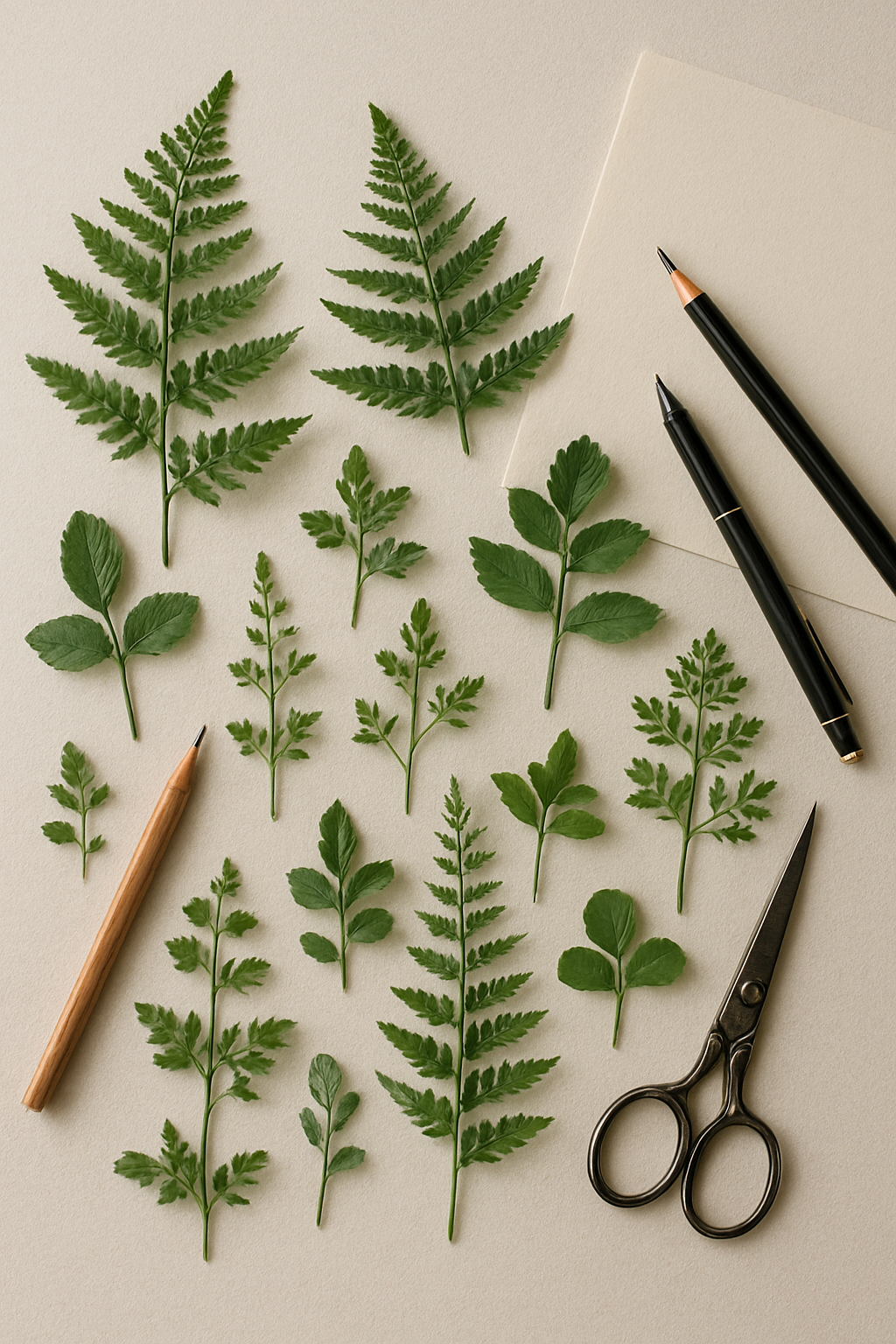
A refined palette of vibrant greens and delicate textures. Shade-loving sedges, ferns, and groundcovers form a rich tapestry, while small woodland flowers emerge like gems, offering quiet bursts of color that brighten shaded spaces with elegance.
When you purchase this guide, you will receive a 9 page downloadable PDF with a clear, easy-to-follow design template, complete with plant species and quantities, layout, and a detailed guide covering site preparation, planting steps, and ecological benefits.
If you have any questions, don’t hesitate to get in touch!
Habitat Garden Guide Bundle: Full Sun, Part Sun & Shade
Get the full set of planting plans—Full Sun, Part Sun, and Shade—at a bundled price.
With all three palettes at your fingertips, you can mix and match, adapt to different site conditions, and create a garden that feels unified across every space. This package makes it easy to plan confidently, no matter the light or soil in your yard, while giving you maximum flexibility and value.
When you purchase this guide, you will receive a 15 page downloadable PDF with three clear, easy-to-follow design templates, complete with plant species and quantities, layout, and a detailed guide covering site preparation, planting steps, and ecological benefits.
Get the full set of planting plans—Full Sun, Part Sun, and Shade—at a bundled price. With all three palettes at your fingertips, you can mix and match, adapt to different site conditions, and create a garden that feels unified across every space. This package makes it easy to plan confidently, no matter the light or soil in your yard, while giving you maximum flexibility and value.
When you purchase this guide, you will receive a 15 page downloadable PDF with three clear, easy-to-follow design template, complete with plant species and quantities, layout, and a detailed guide covering site preparation, planting steps, and ecological benefits.
If you have any questions, don’t hesitate to get in touch!

Need More Support?
Landscape Design & Construction Services
If you’d like additional guidance beyond the guide, we offer a wide range of landscape design and construction services tailored to projects of all sizes and levels of complexity. Whether you need support navigating a complex design and build, help refining a planting plan, or simply practical advice for a small project, we bring hands-on knowledge of both ecology and construction to every conversation.